Winter Games 2030

In 2030, the Hautes-Alpes will be more freestyle than ever
In the French Alps, the Southern and Northern Alps have joined forces to create an unprecedented fresco for the 2030 Olympic and Paralympic Winter Games.
At the heart of this alliance, the Hautes-Alpes set the stage for more than twenty freestyle skiing and snowboarding competitions. In Serre Chevalier, the largest resort in the Southern Alps, and in Montgenèvre, the doyenne of French resorts, riders will take to the skies, their trajectories intersecting against a backdrop of majestic peaks.
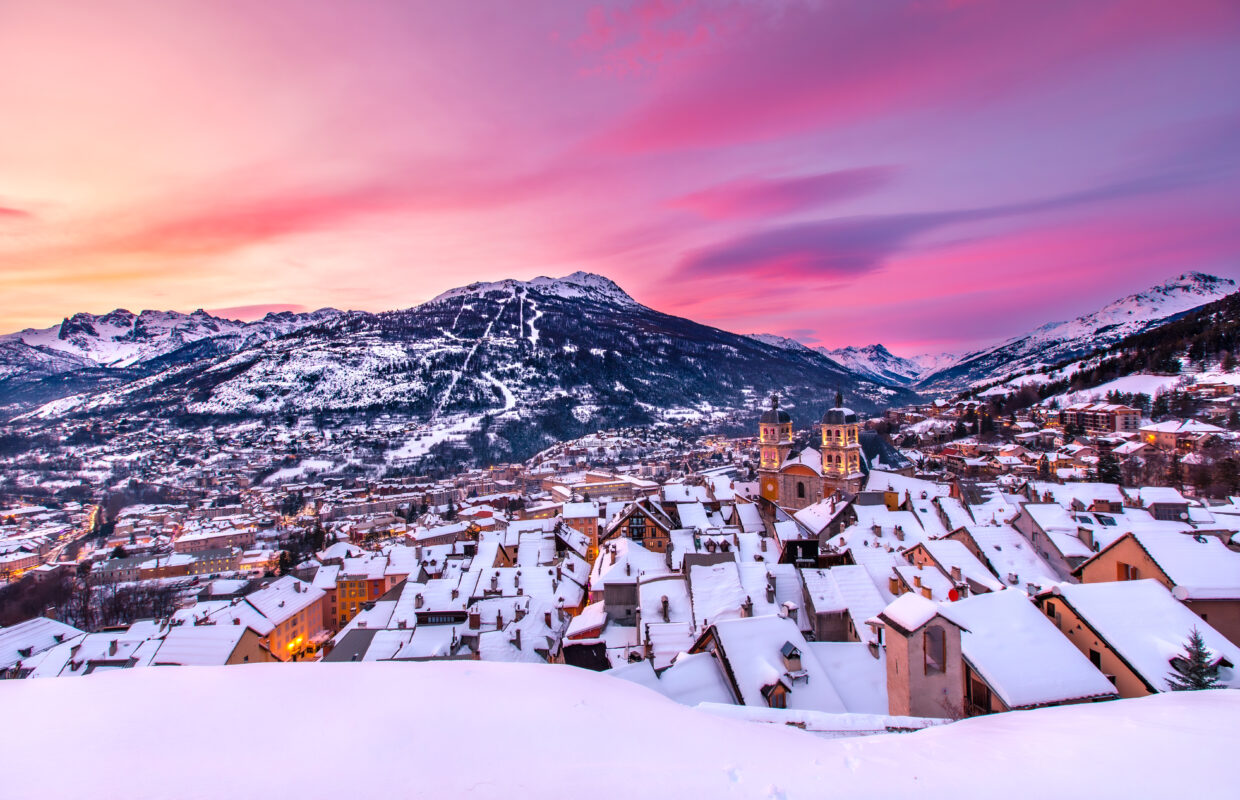
Briançon, a citadel of stone, will be the vibrant epicenter. Its
Beyond the light the Games will shed on the department, the legacy is immense. They will leave the
2030,
set a course for epic proportions
In the Hautes-Alpes, the flame won’t just burn: it will set ablaze mountains built for feats. Serre Chevalieropens the arena for the daring: mogul skiing, acrobatic jumping, big air, the tightrope walkers of the air will draw trajectories that will remain in the memory of the slopes. Montgenèvre, the doyenne, pulls out the big guns: slopestyle, parallel giant slalom, cross-country, halfpipe, a roller coaster of style and bravery. Briançon, the nerve center and Olympic village, will beat the odds with its meticulous logistics and galvanized energy.
Beyond the podiums, it’s a historic boon for the département: infrastructures raised to the highest level, local know-how thrown into the spotlight, young people discovering a horizon bigger than the peaks. The Hautes-Alpes won’t be hosting the Games: they’ll be magnifying them.

The great champions of the Alps
In the Hautes-Alpes, the next generation of skiers is already looking ahead to 2030: Cyprien Sarrazin, with his fulgurance intact despite broken skis, is aiming for the big event on home soil; World Cup winner Nils Allègre is taking speed made in Briançon; Nils Alphand, a pure product of Serre Che, is sticking to the blue train and playing his card in the downhill; Arthur Bauchet, a three-time Paralympic champion based in Briançon, continues to pile up the globes and make a whole valley dream; Flora Dolci, a Briançon-born cross-country skier, is pushing long and hard to bring Alpine Nordic skiing into the Games. It’s a pack that’s still in the race, sharpened and ready to turn the Olympic windfall into a harvest of emotions.

A sporting legacy
In the Hautes-Alpes region, the legacy of the Games is already taking shape: a boom in top-level competition with modernized venues, regular organization of international events and increased support for local clubs and the inter-regional training center. The region’s influence is growing thanks to disciplines that are resolutely geared towards young people (freestyle skiing and snowboarding), which are among the biggest draws at the Olympics. Above all, a new generation is awakening to winter sports and the mountains: the breeding ground is renewing and expanding, and rediscovering the pleasure of practicing in all seasons.

A legacy
economic
On the economic side, the impact is tangible: public orders, private investment, media coverage and knock-on effects irrigate the valleys and resorts. The event is also accelerating the transformations needed to tackle global warming: decarbonization, renewable energies, eco-friendly mobility, low-impact housing and food, better waste management, diversification of activities. It has also left a lasting social imprint, with the construction of housing for seasonal workers and home ownership, supported in particular by the conversion of the Olympic village in Briançon. Last but not least, the region’s legacy can be seen in its infrastructure: road advances (overtaking lanes, bypasses, securing engineering structures along the N85, N94 and Montgenèvre) and railways ( Veynes hub, modernized networks, regional and night trains), not forgetting soft routes, everyday mobility and, in the Briançonnais area, exclusive right-of-way transport for faster, better and cleaner connections.
Expectation
of additional disciplines
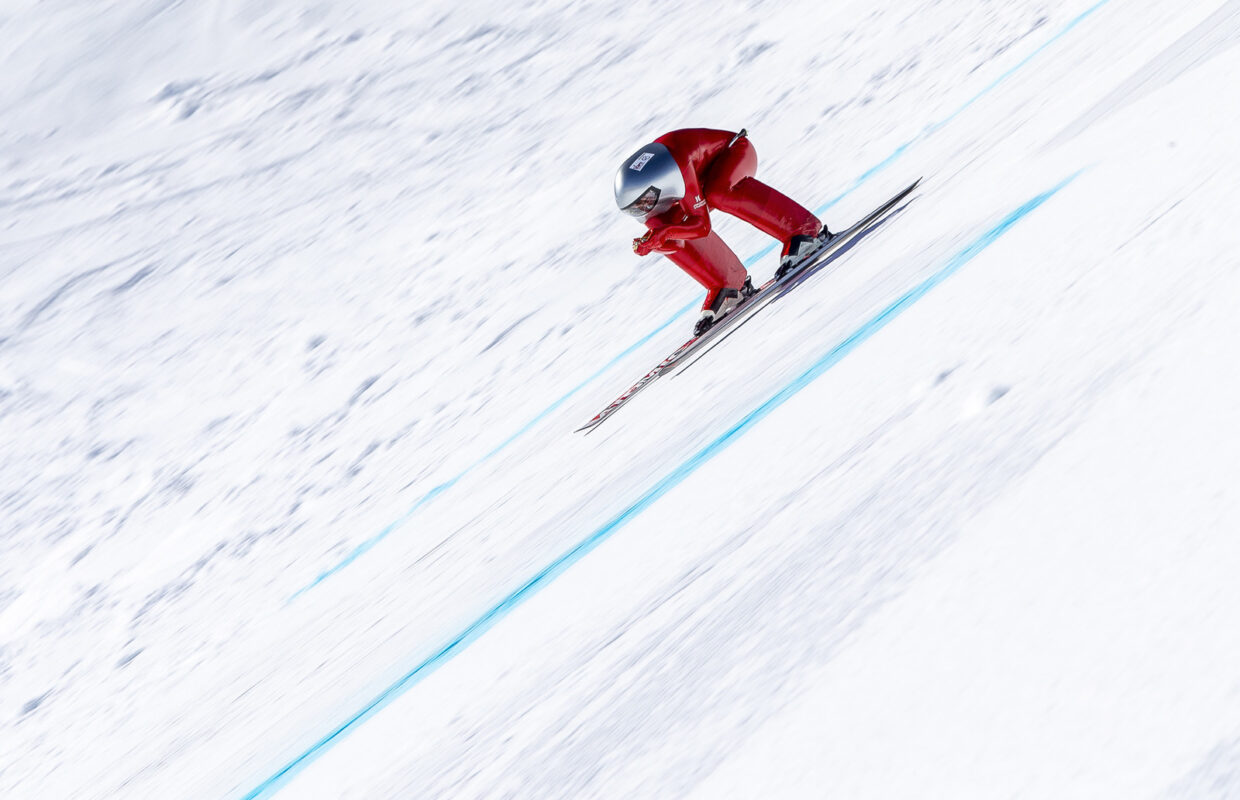
In the Hautes-Alpes, ambitions already extend beyond the ropes of the safety nets: beyond the acrobats of Serre Chevalier and Montgenèvre, the département could open the wicket wide to other Olympic appointments. Imagine ski mountaineering tracing its ridges at sunrise on the peaks of֤s Écrins, freeride skiing unleashing its virgin lines on steep slopes and KL in Vars, a human rocket launched against the clock. For the département, hosting these additional disciplines would be more than just a bonus: it would be an XXL windfall, accelerating infrastructure and popular momentum, and proving that the Hautes-Alpes knows how to rise to the Olympic level and stay there.