
Shelters

Guardians of the peaks
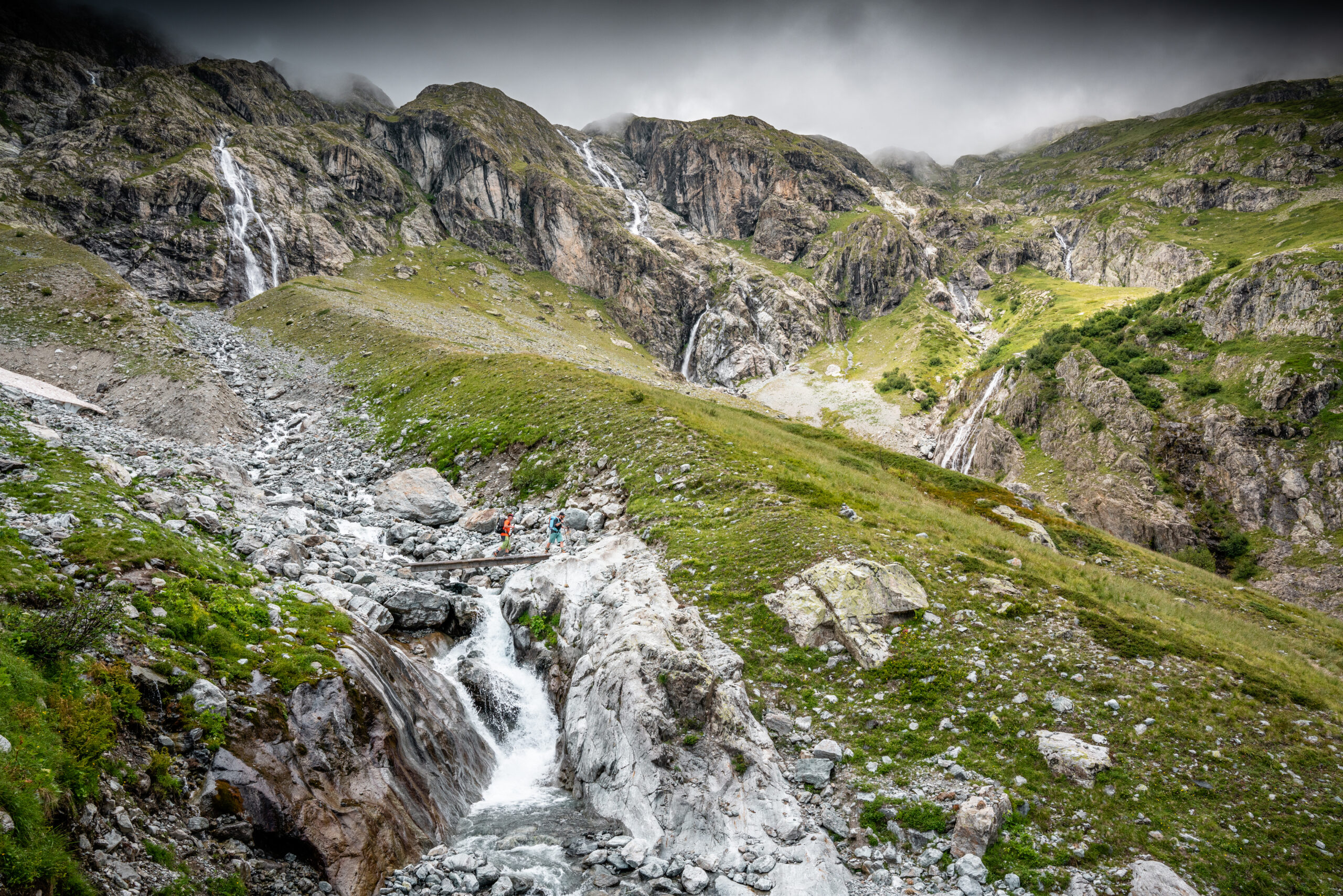
From verdant valleys to the highest Alpine peaks, the Hautes-Alpes is home to over forty refuges, veritable gateways to the mountains. For nearly
The start of the journey
The refuge,
a destination in its own right
Originally, a refuge was “a place where one withdraws to escape danger or take shelter”. Initially built on major passes for travellers making Alpine crossings, many of them came into being in the second half of the 19th century, at the time of the conquest of the peaks and the advent of modern mountaineering.
Originally rudimentary shelters, sometimes resembling shepherd’s huts, with communal sleeping facilities, refuges were rapidly modernized, in tune with their environment and the needs of an ever-increasing number of customers looking to stay in a unique, convivial setting.

Refuge guards,
mountain guardians
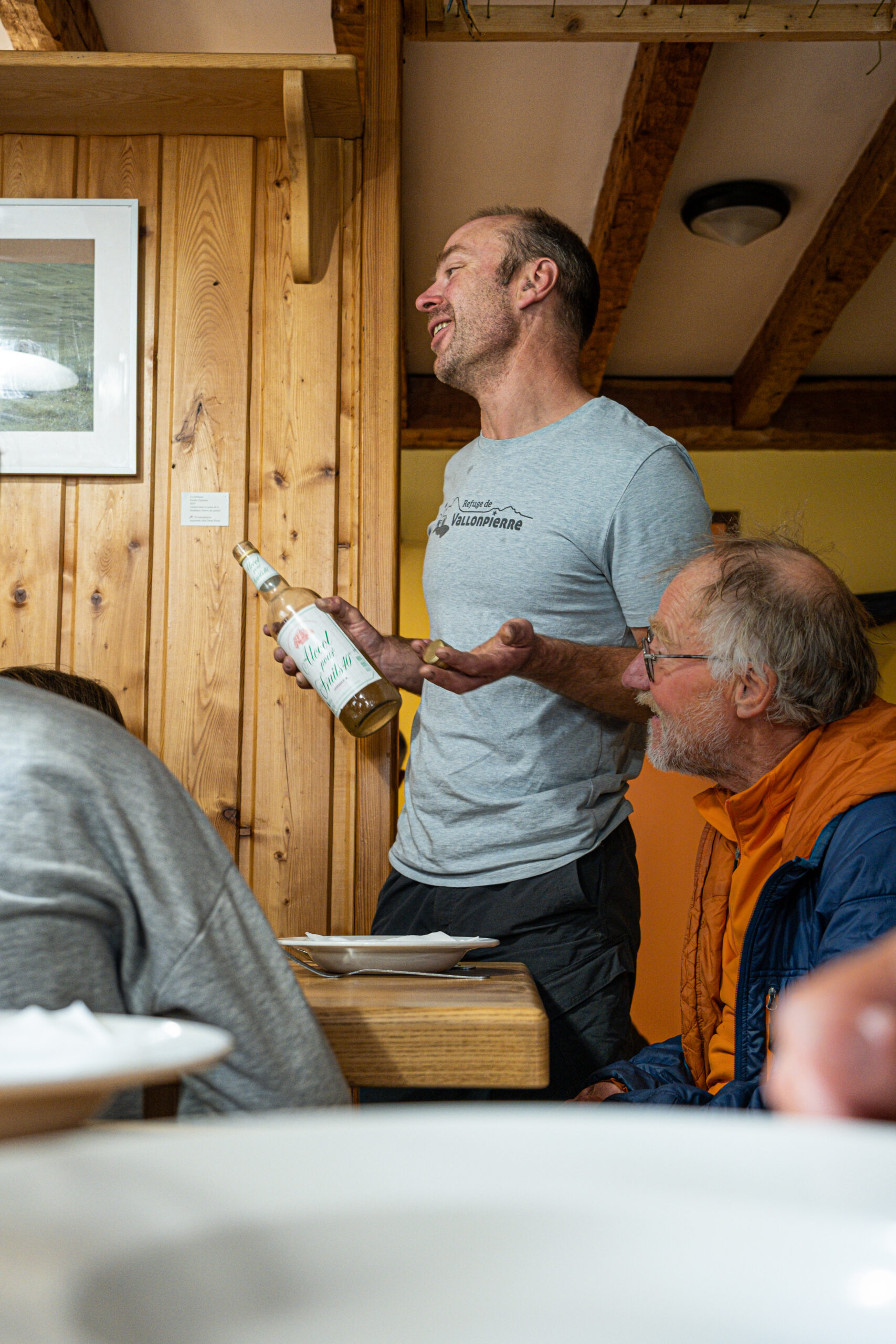
“The summit is only the beginning of the journey” wrote the first mountaineer to climbEverest, Edmund Hillary, in 1953. Perhaps a step towards the eternity of the summits, led by passionate men and women capable of transforming an hour, a day or a night in a refuge into an enchanted interlude found nowhere else. Being a mountain hut warden means having a keen sense of sharing, welcoming and hospitality. It’s a passion for the great outdoors and for nature, which is beautiful, fragile and unpredictable.

A mountain of energy
The question of energy autonomy is essential for mountain refuges, given their isolated location. Despite the constraints of the mountain environment (altitude, climate, accessibility), many refuges in the Haute-Alpes have opted for renewable energies, taking advantage of the natural resources that surround them, while respecting the environment and regulations. This has led to the emergence of a number of innovative technical solutions, including the use of photovoltaics, solar thermal energy, wind power and small hydroelectric power stations to produce hot water and electricity. These innovative solutions, coupled with the use of eco-friendly materials and more efficient waste and wastewater management, make these refuges veritable little laboratories for the ecological transition.

A 4-season destination
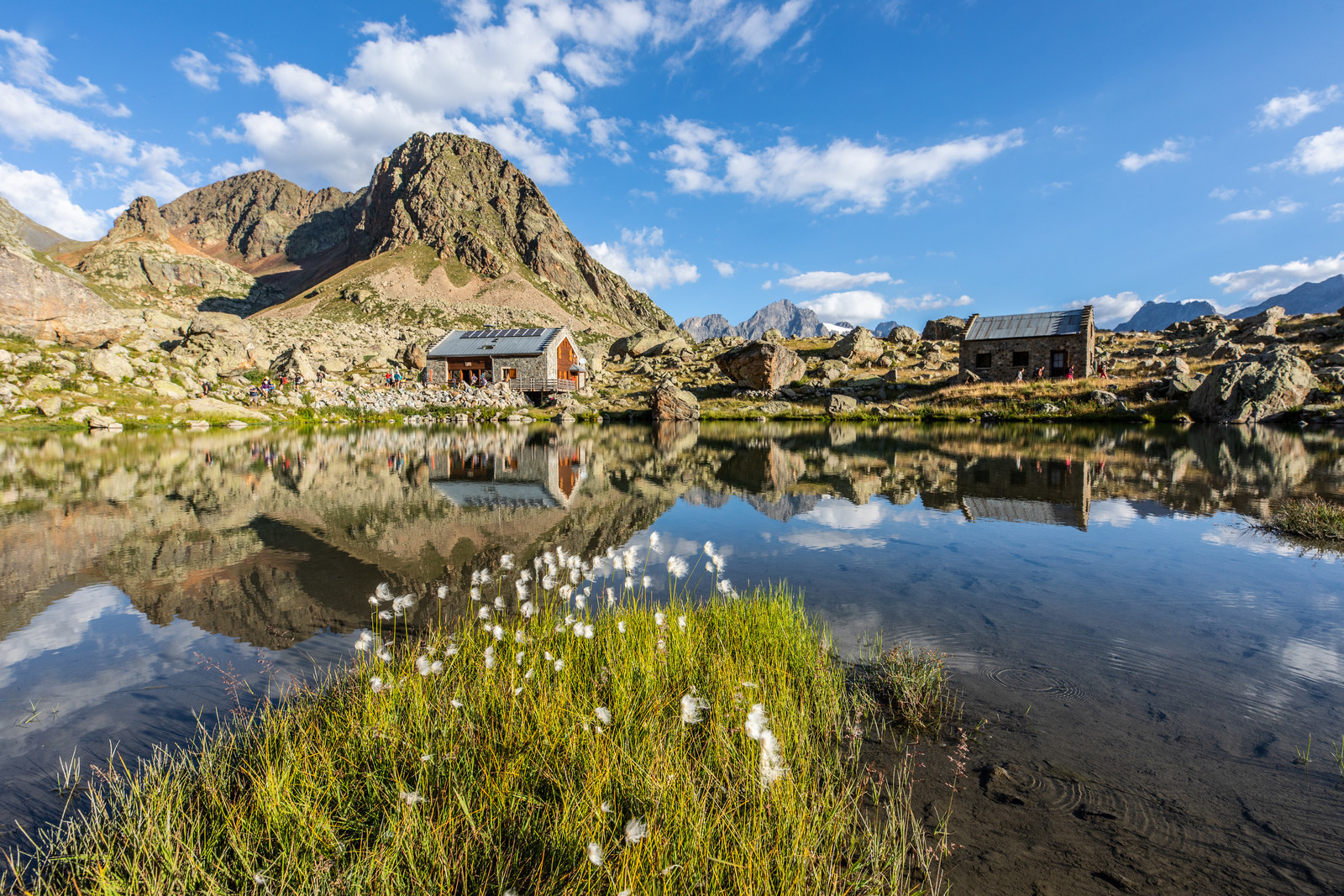
In summer, the refuges of the Hautes-Alpes come alive to the rhythm of the great outdoors. It’s the season of high-altitude trails, of balcony passes where each refuge becomes a warm and welcoming stopover.
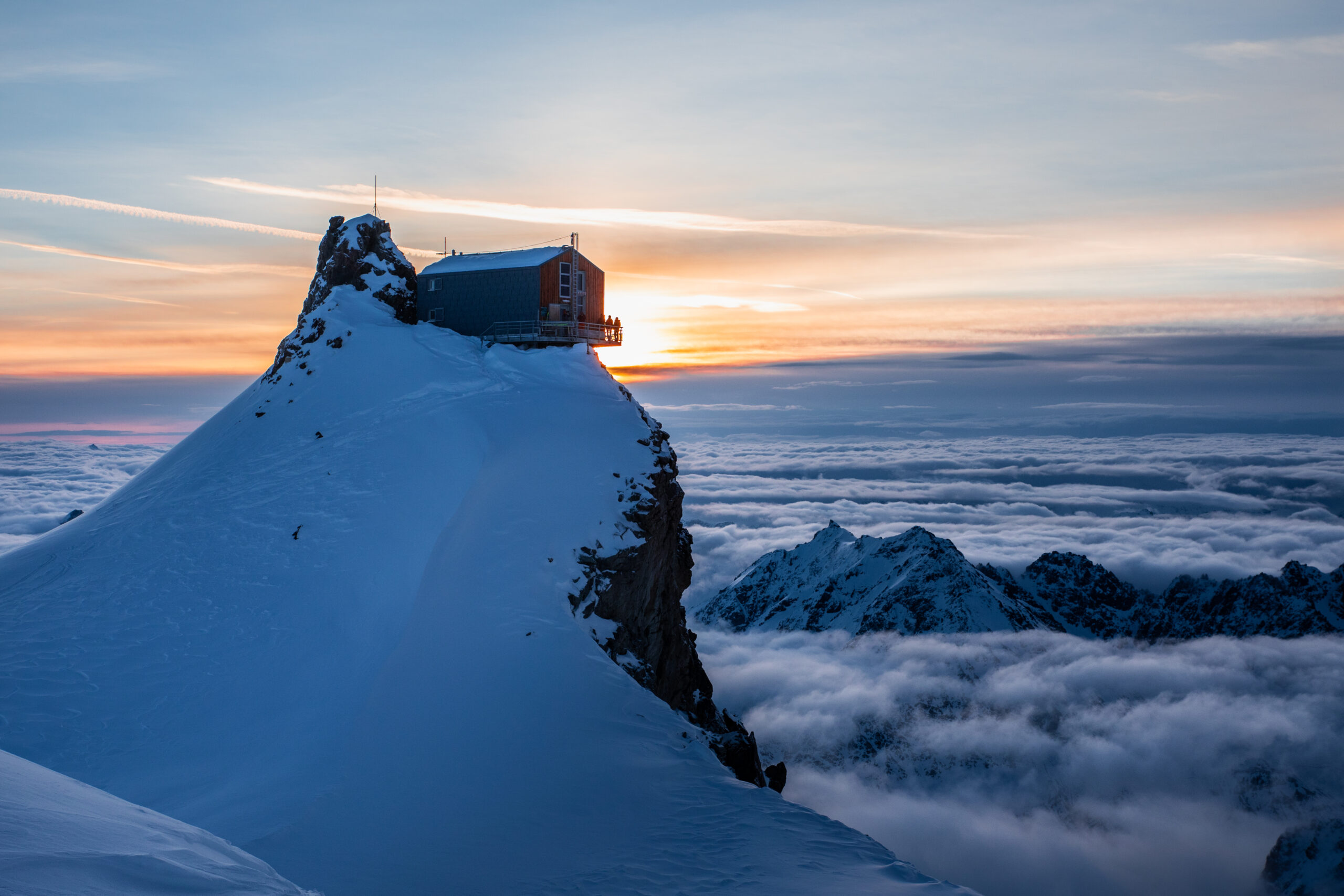
In winter, when the larch trees are covered in snow, the refuges are transformed into passionate landmarks. Skiers, powder enthusiasts and snowshoe trekkers find a simple, welcoming haven.
In spring and autumn, the mountains reveal their most intense contrasts. These shoulder seasons offer a different way of experiencing the mountains: gentler, wilder, deeply authentic.

Shelter guide
“Being a refuge keeper means adopting a paradoxical rhythm during the season: the days are perpetually chopped up, always long and systematically new. It also means maintaining a fragile balance and adapting to an increasingly demanding public without falling into the ways of the valley. In short, we have to move fast over rough terrain.
Practical notebook
- Avant de partir
- Sécurité
- En cas d’accident


