
The intention of our blog
Raising awareness of the beauty and fragility of our natural environment, understanding the impact of global warming on economic, tourist and agricultural activities in the Hautes-Alpes, highlighting the most remarkable initiatives, opening up a place for sharing and exchange beyond everyone’s convictions, working together to find a point of balance between preserving and promoting exceptional nature, our greatest asset, so that we can continue to do business and live here.
Fragile
Chronique d’un géant au souffle court
La réalité des Hautes-Alpes
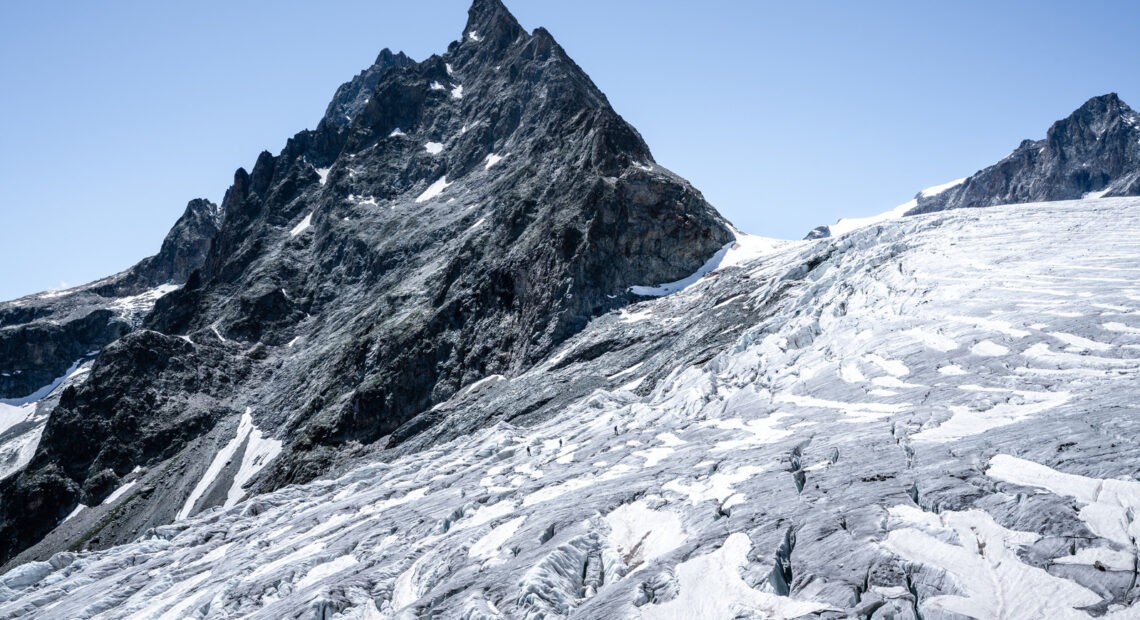
In 2025, the Glacier Blanc in the Écrins massif will continue its marked retreat, confirming a trend observed for over two decades. According to the Parc National des Écrins, last summer’s particularly hot weather accelerated a melt that was already well underway: the glacier lost an average of 2 metres in thickness, retreating by around 30 metres over the year.
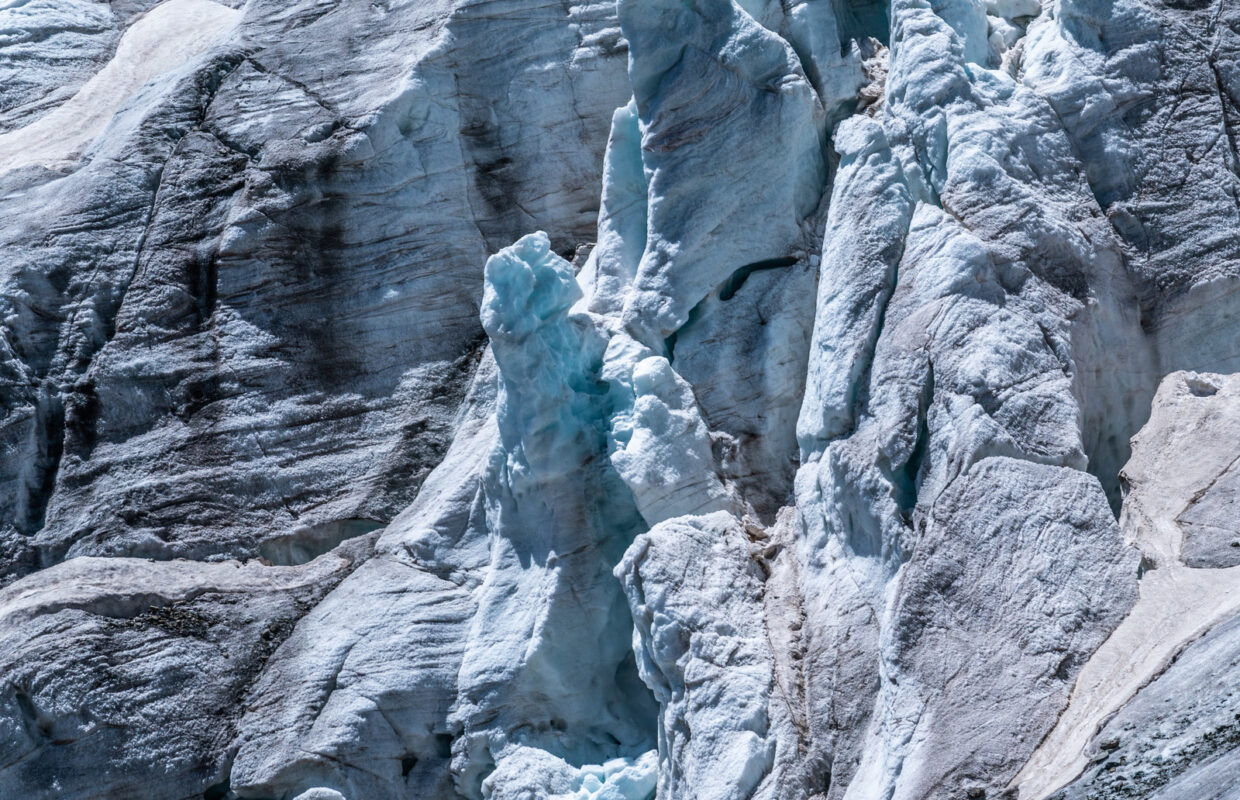
White glacier located in the Pays des Ecrins, starting from Pré de Madame Carle.
Park staff point out that the Glacier Blanc, once one of the most accessible and frequented glaciers in the massif, is now a tangible illustration of the impact of climate change in the high mountains. Its shrinking volume is spectacular: since 1980, it has lost almost 40% of its surface area and over 70 metres in thickness in places.
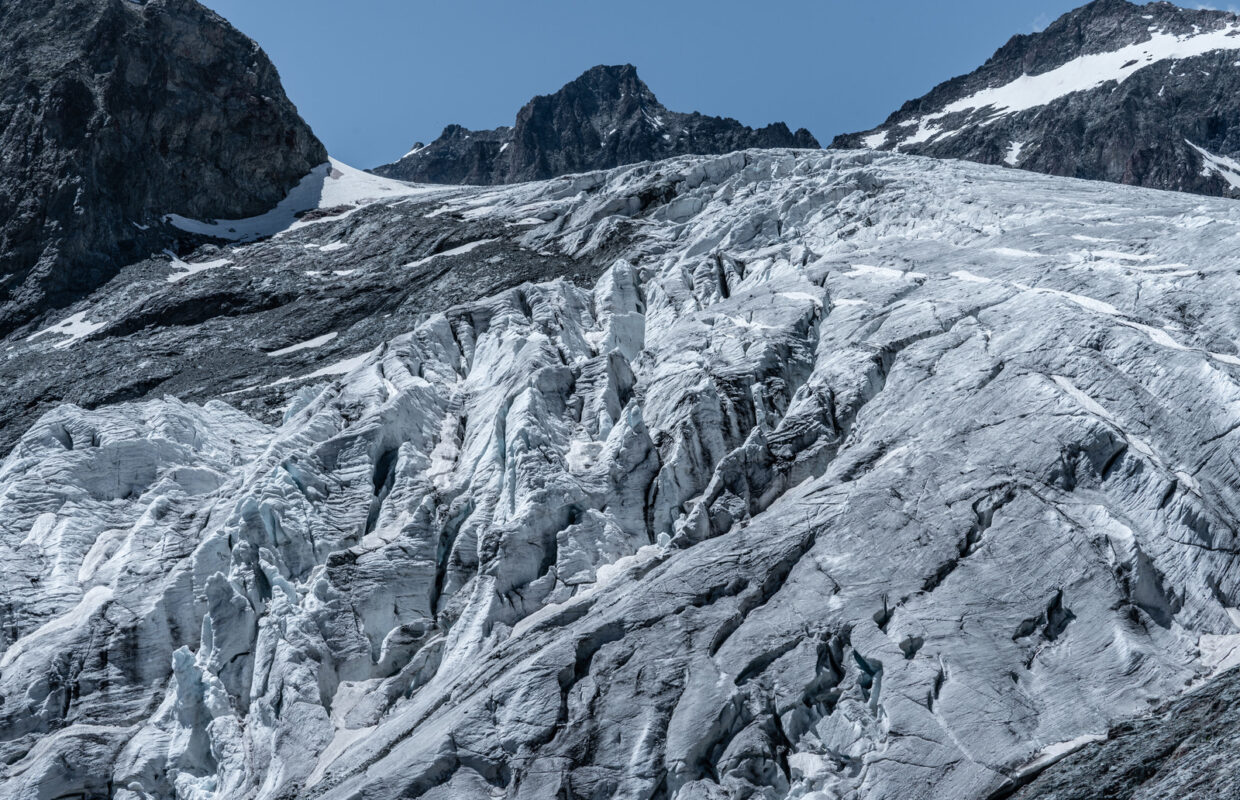
White glacier located in the Pays des Ecrins, starting from Pré de Madame Carle.
While the situation continues to give cause for concern, our field teams continue their ongoing scientific work, which is essential for documenting these rapid transformations and raising public awareness of the climatic realities at work in the Hautes-Alpes.

The description of my photo, whose proportions have been preserved
S’adapter aux changements climatiques
La réalité des Hautes-Alpes
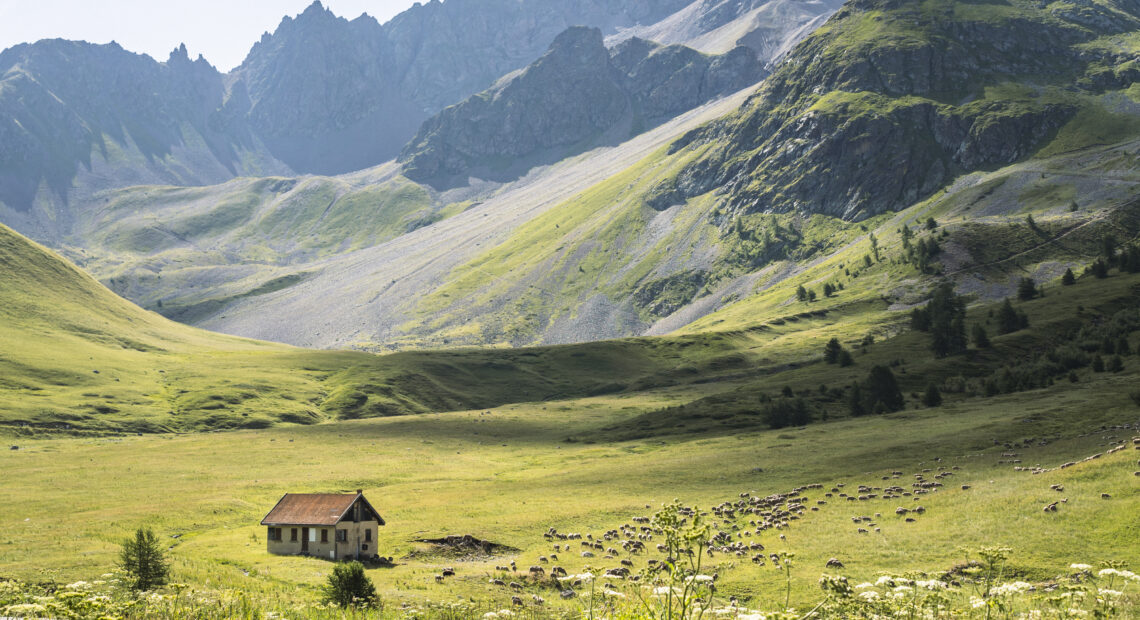
Radio France Culture journalists Catherine Pétillon and Véronique Rebeyrotte travel the length and breadth of the Hautes-Alpes. From the orchards of the Haute-Durance to the glaciers of the Haute-Romanche, striking testimonies from mountain dwellers confronted with climate upheaval.
Journalists Catherine Pétillon and Véronique Rebeyrotte
from France Culture radio
Radio Glaces
Écoutes embarquées à 3 200 mètres d’altitude, au cœur de la vie intérieure du glacier de la Girose
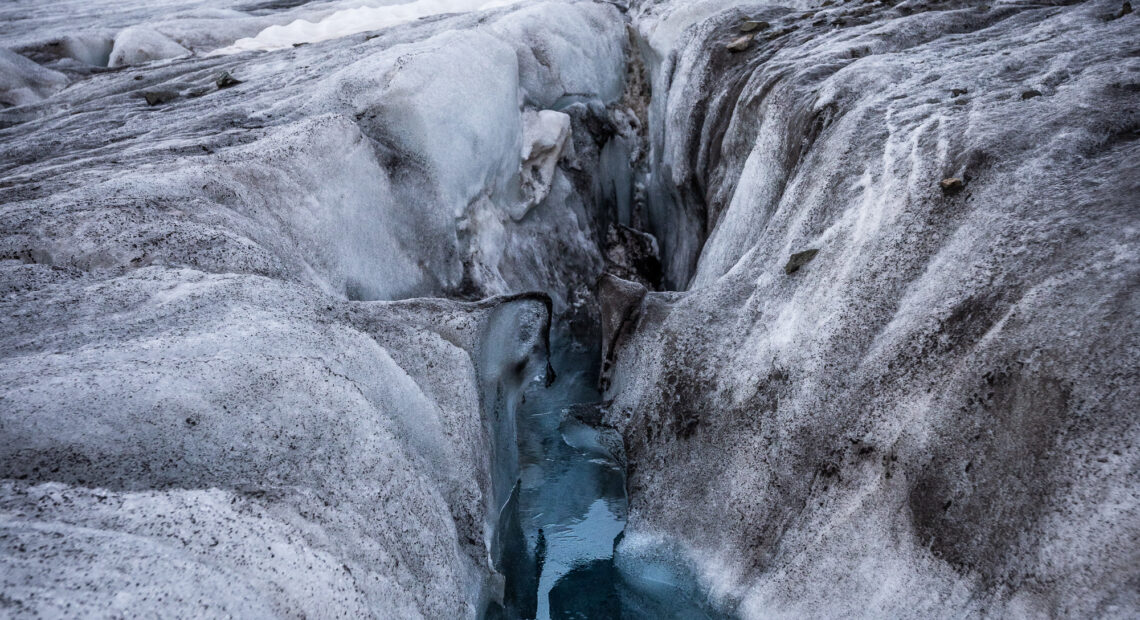
These men and women, glaciologists, first-aid workers and high-mountain guides, share their experiences of these places and offer some keys to understanding the current landscape transformations linked to global warming. Their stories are interwoven with unheard-of sounds captured by microphones, hydrophones and seismic sensors plunged into the depths of crevasses, glacial torrents and moraine folds.
“The glacier is moving 35 meters a year”.
- with the voices of Lucas Davaze, glaciologist, and Morgan Barbot, ski patroller at La Grave.
“Flying over the glacier
- with the voice of David Le Guen, sales and communications manager at the Meije glaciers cable car company
“We don’t know when it’s going to fall.”
- with the voices of Erin Smart and Benjamin Ribeyre, high-mountain guides at La Grave
L’eau
Du bien commun aux conflits d’usages
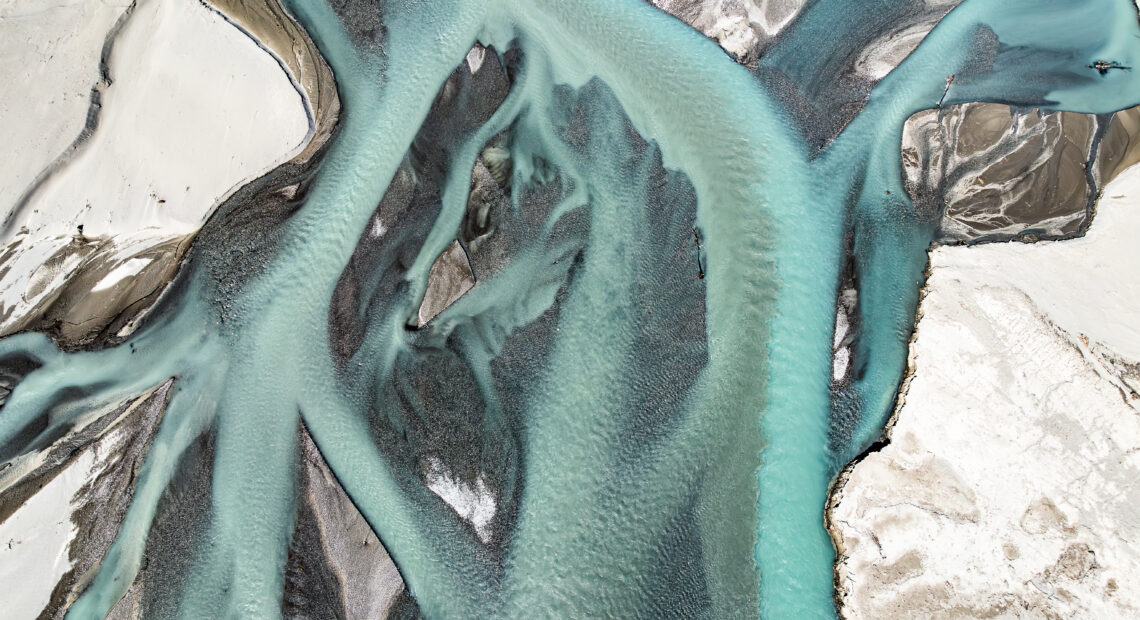
More directly impacted by global warming, mountain areas are particularly exposed to changes in the water cycle. Journalist Sabah Rahmani reports from Dévoluy and the shores of Lac de Serre-Ponçon on this environmental, societal and economic challenge.
Le ski
Ce podcast qui a rendu fou les montagnards
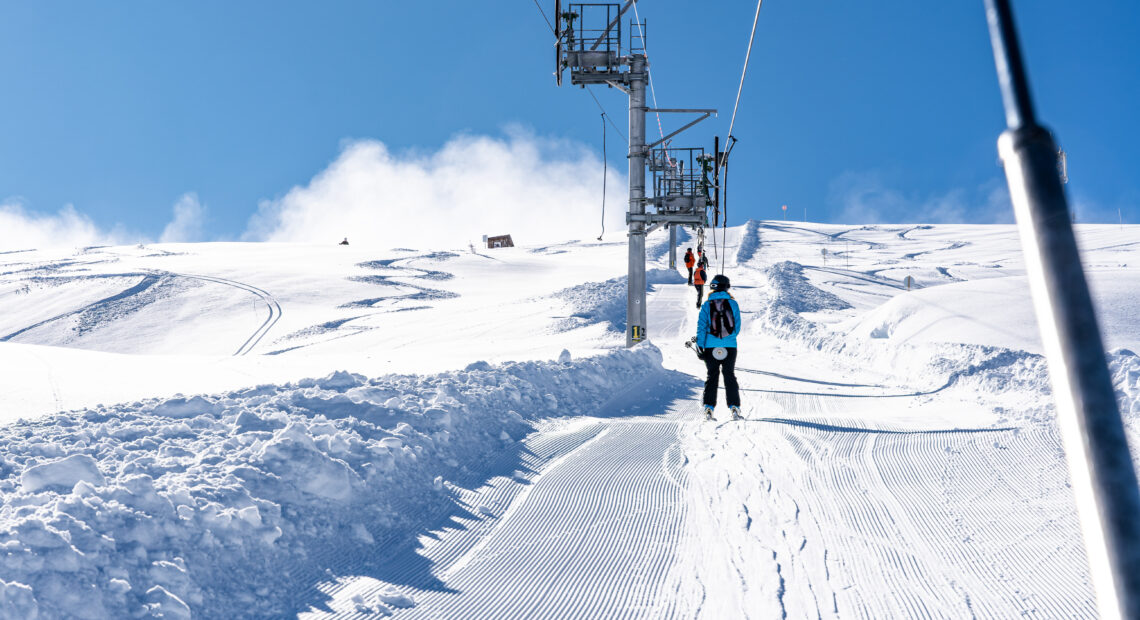
This short audio clip, taken from Christophe Bourseiller ‘s column on France Inter, is a perfect illustration of the erring ways in which some people view the future of skiing and mountain regions. The issues at stake deserve a fairer, more nuanced approach.
Christophe Bourseiller’s column
- France Inter
Faut-il interdire l’accès à la nature pour mieux la protéger
France Culture, Le Temps du Débat d’été
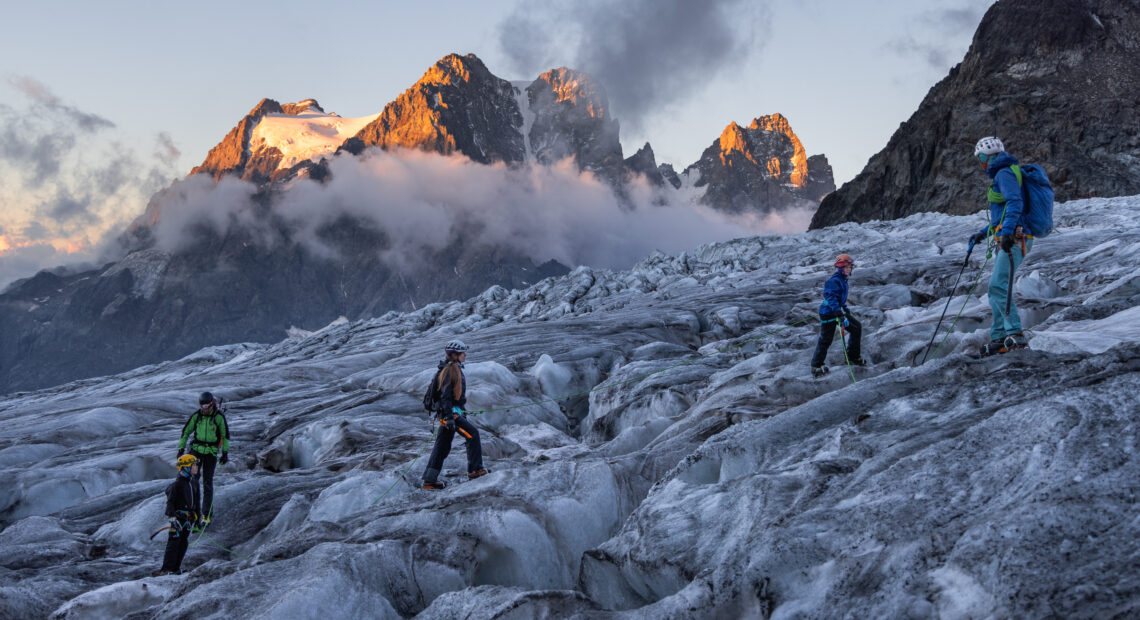
Behind this shocking phrase lies a fascinating debate proposed by journalist Quentin Lafay of France Culture radio. Virginie Maris, philosopher and member of the scientific council of the Ecrins National Park, was invited to talk about the subject.
Quentin Lafay
- from France Culture radio
Bouleversements climatiques
Le compte à rebours pour les Alpes, L’étude du GREC-SUD
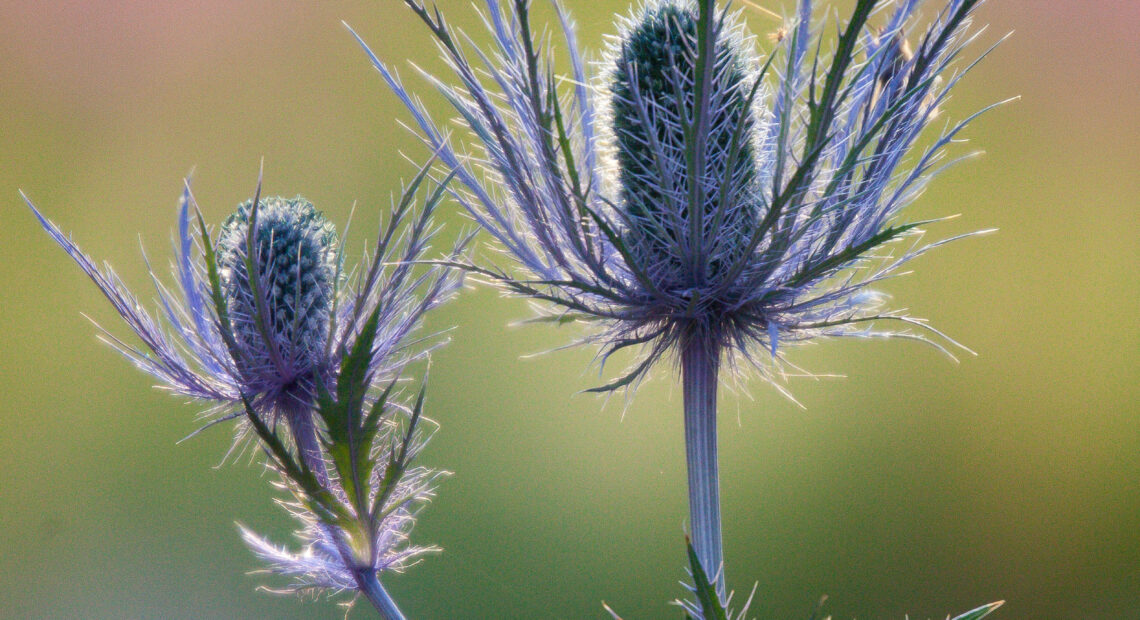
Disappearing glaciers, rising temperatures, rock collapses, permafrost degradation: GREC-SUD experts decipher the impacts of climate change in the Southern Alps. Excerpts from the “Mountain” thematic section .
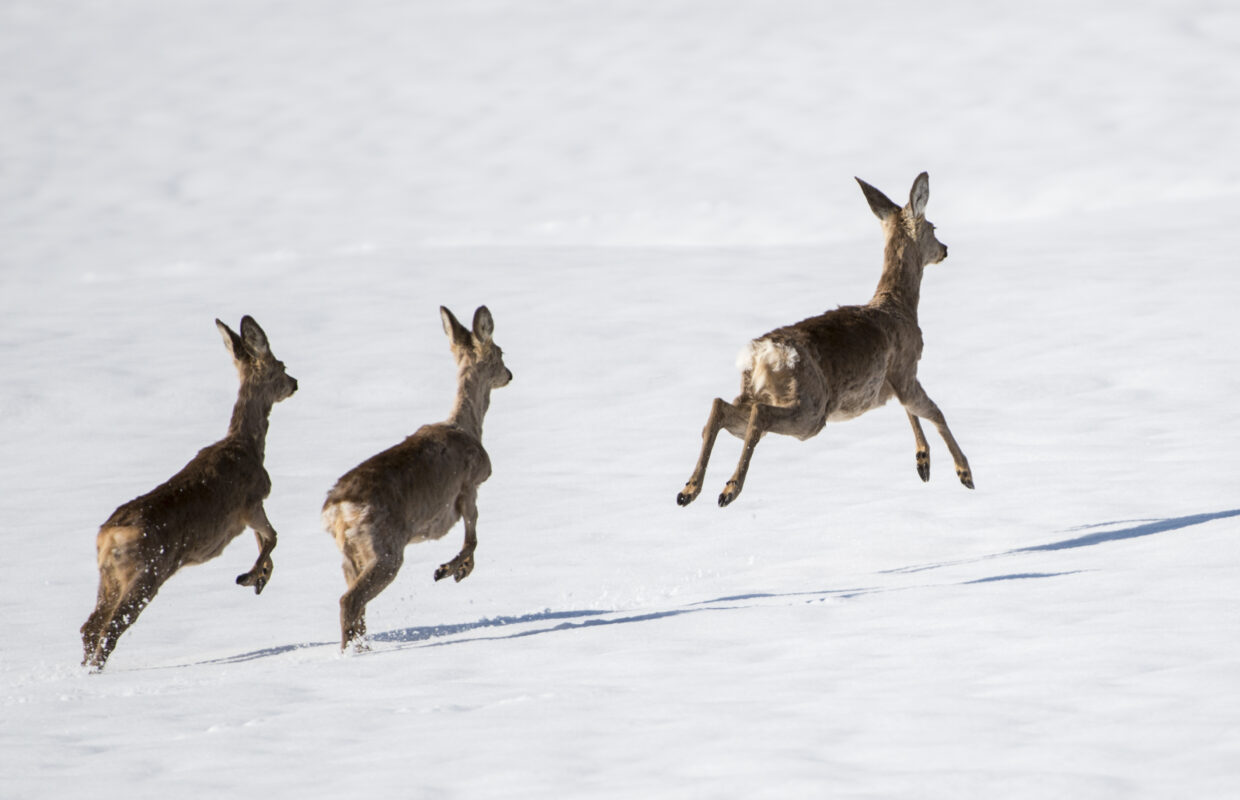
Agile
Le vignoble haut-alpin conjugue tradition et bon sens
Des cépages anciens au secours du climat
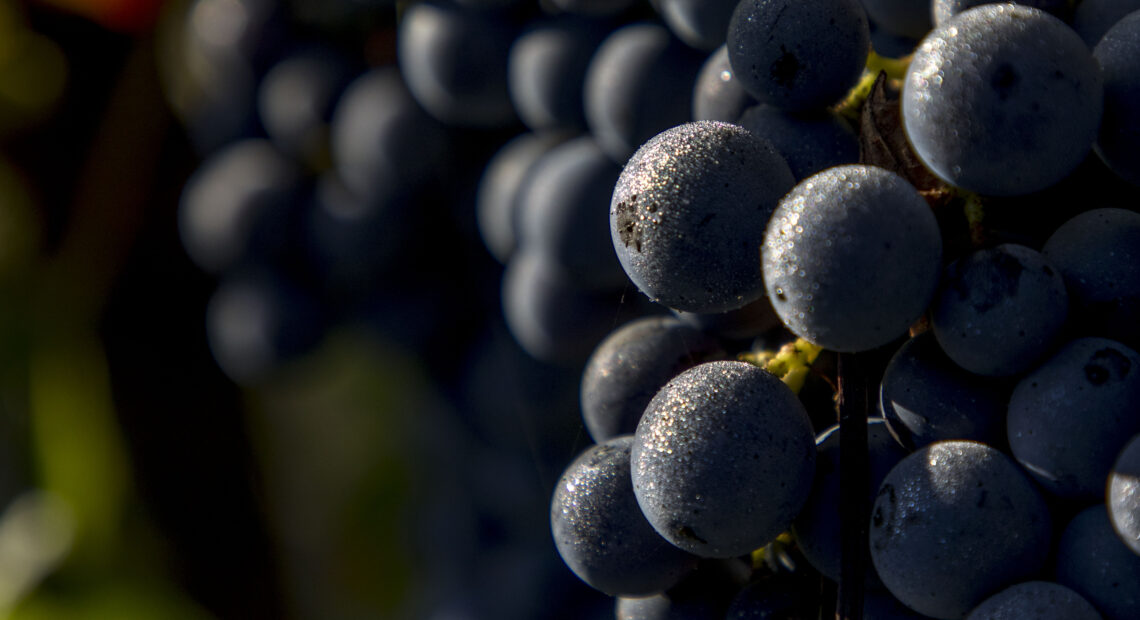
Global warming tends to alter the quality of certain wines. Higher temperatures mean higher sugar levels in the grapes and, by extension, higher alcohol levels in the bottle. To avoid disappearing from the market, the vineyards concerned have had to adapt by replanting old grape varieties, some of which have been abandoned for over a century. For several years now, without waiting to see the impact of global warming on vines and wine, the
La Filature du Valgaudemar
Dénoue le fil de son histoire
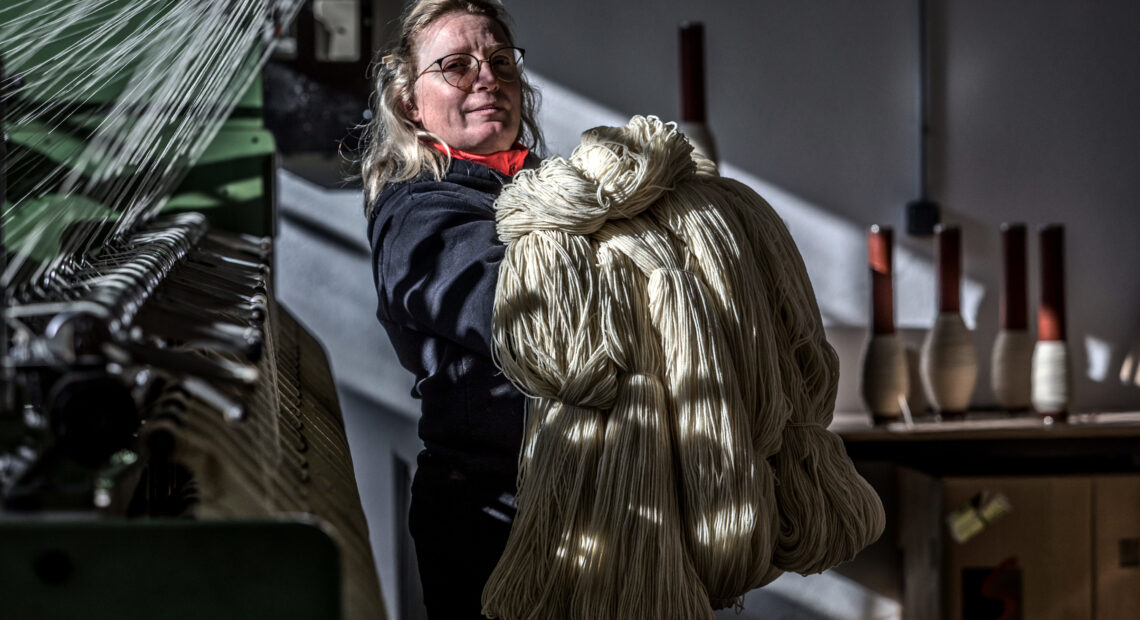
Founded in 1830 in the heart of the Hautes-Alpes, Filature du Valgaudemar in Saint-Firmin is one of the last French companies to manufacture yarns from natural fibers. A veritable living heritage, it was taken over by Marie-Laure Laurent in 2020, a passionate entrepreneur keen to safeguard the industrial heritage of a mountain spinning mill. Today, she is relaunching the production of “Made in France” wool under the name Laines du Valgaudemar.
Marie-Laure ‘s aim is to preserve this magnificent industrial heritage, bringing it into a new era: safeguarding the spinning profession, adapting to environmental requirements, collaborating with players in the French wool industry and developing exceptional French yarns. The aim is to meet new customer demands, as demonstrated by the development of a wide range of untreated natural wools, certified by the Oeko-Tex ecolabel for colored wools.
L’environnement
Au cœur des préoccupations des stations des Hautes-Alpes
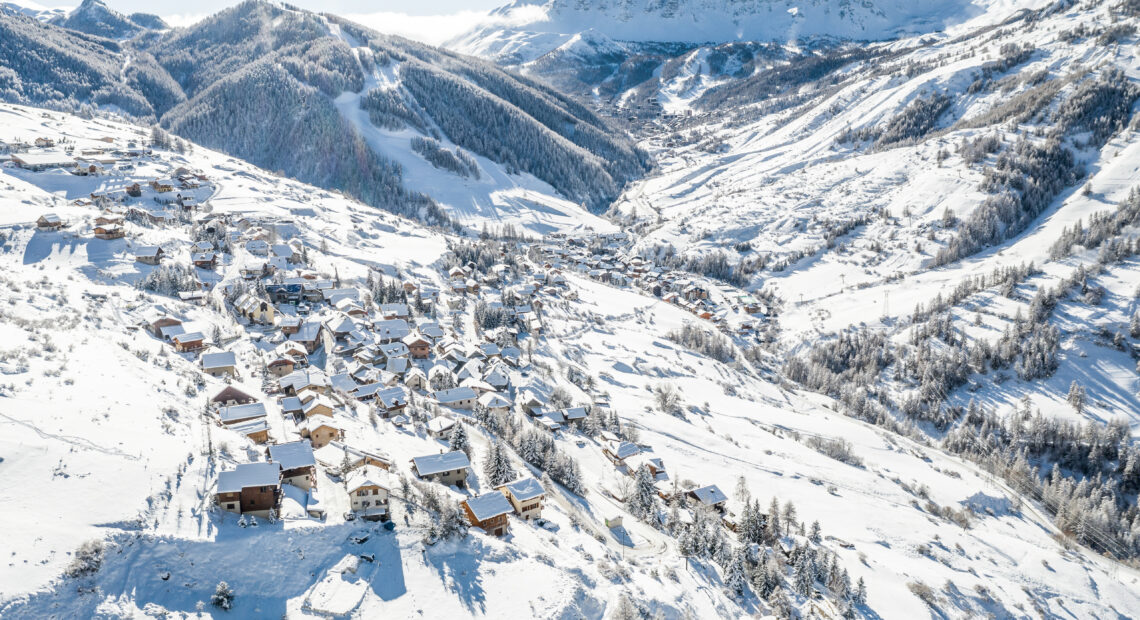
Sobriety and technological innovation, the ski resorts continue their actions in favor of a more sustainable and environmentally-friendly tourism development. From self-generation of energy using renewable energies at Serre Chevalier, to energy management to regulate consumption in real time at Les Orres, find out all about the eco-responsible initiatives of the department’s resorts in the Winter 2024-25 press kits.
Découverte de Monêtier-les-Bains
Terre d’alpinisme
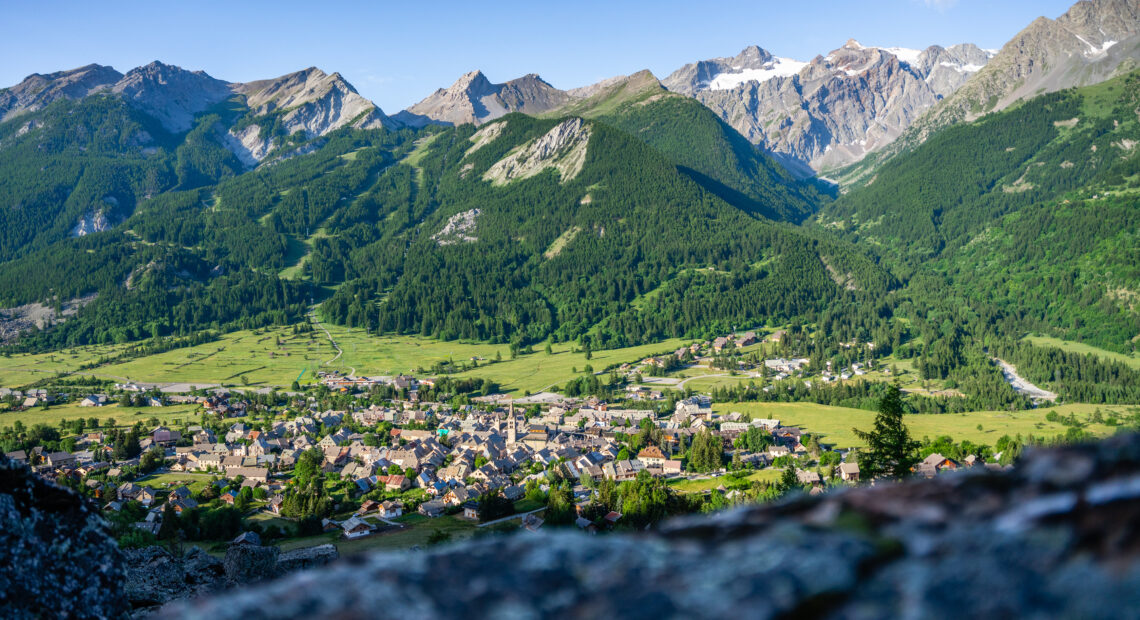
A small mountain hamlet in the Ecrins National Park, Monêtier-les-Bains is renowned for its mountaineering. Recently, bouldering has also become a popular sport. A France 3 report, by Lucie Robert and Fabien Madigou.


